
Expert Care, Strategic Preservation
Advanced Socket Preservation Foundation for the Future
Innovative Bone Grafting Procedure performed during extraction to maintain the natural jaw structure to prevent bone collapse and gum recession for the perfect dental implant foundation
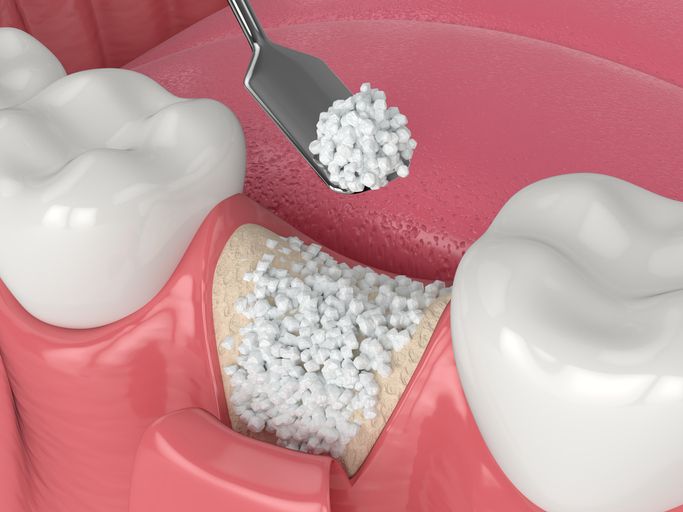
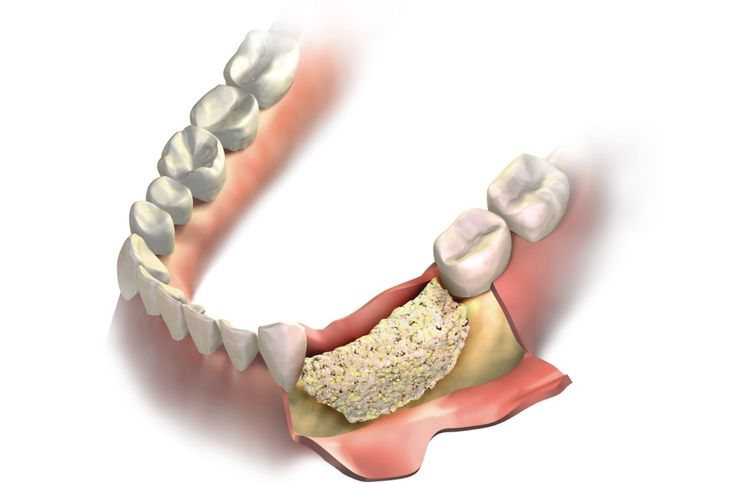
✓ Prevents Bone Collapse: The graft acts as a scaffold to maintain your jaw’s natural shape and prevent the bone from shrinking after tooth loss.
✓ Creates a Solid Foundation: It ensures there is enough dense, high-quality bone to securely anchor a future dental implant for long-term success.
✓ Saves Time and Future Surgery: Grafting at the moment of extraction often eliminates the need for more complex bone rebuilding procedures later.
✓ Maintains Natural Esthetics: By preserving the bone and gum contours, it ensures your future replacement tooth looks perfectly natural and fits your smile.
✓ Seamless Integration: The biocompatible material works with your body’s healing process to naturally replace the graft with your own living bone.
✓ Protects Neighboring Teeth: Keeping the jaw structure intact prevents adjacent teeth from shifting or tilting into the empty space.
Bone Grafting During Extraction: Preserving the Foundation for Future Implants
When a tooth is removed, the surrounding jawbone often begins to shrink or “resorb” because it no longer receives the functional stimulation of the tooth root. This natural process can result in a significant loss of bone height and width within the first few months. Socket Preservation—the process of placing a bone graft at the time of extraction—is a proactive step to maintain the structural integrity of your jaw for a future dental implant.
By filling the void immediately, we ensure that the “scaffold” for your new tooth remains strong, stable, and ready to support a permanent restoration.
Why Bone Grafting is Essential During Extraction
The primary goal of grafting during the extraction phase is to prevent the collapse of the socket. This offers several long-term advantages:
Prevents Bone Loss: A graft acts as a placeholder, signaling the body to maintain the bone volume rather than absorbing it.
Simplifies Future Procedures: By preserving the bone now, you often avoid the need for more invasive “block grafts” or sinus lifts later when you are ready for an implant.
Maintains Facial Esthetics: Bone loss can lead to a sunken appearance in the gums and face. Grafting preserves the natural contours of your smile and jawline.
Increases Implant Success: A dental implant requires a specific volume of healthy bone to fuse correctly (osseointegration). Grafting ensures there is a robust foundation to lock the implant into place.
The Clinical Process: Building the Scaffold
This procedure is seamlessly integrated into the extraction appointment, requiring no additional surgery or recovery time.
Atraumatic Removal: The tooth is removed using minimally invasive techniques to ensure the bony walls of the socket remain completely intact.
Site Preparation: The empty socket is meticulously cleaned and prepared to receive the grafting material.
Placement of Grafting Material: A specialized bone-grafting material (which may be mineral-based, lab-processed, or biocompatible granules) is packed into the socket. This material does not just “fill” the space; it serves as a matrix that encourages your body to grow its own new, live bone.
Membrane Protection: In many cases, a protective collagen membrane is placed over the graft. This acts as a barrier, preventing faster-growing gum tissue from entering the socket and allowing the slower-growing bone cells to populate the area undisturbed.
Securing the Site: A few small sutures are placed to keep the graft and membrane secure. Over the next 3 to 6 months, your body will naturally replace the grafting material with your own healthy bone.
The Natural Transformation
The bone graft is not meant to stay in its original form forever. Instead, it serves as a temporary structure. Through a biological process, your body’s own cells migrate into the graft, gradually absorbing the material and replacing it with new, living bone tissue.
By the time you are ready for the dental implant, the extraction site has transformed from a “hole” into a dense, solid foundation of natural bone.
A Strategic Investment in Your Smile
Choosing to perform a bone graft at the time of extraction is a strategic decision that saves time, reduces future surgical complexity, and ensures the best possible outcome for your dental implant. It is the most effective way to protect your oral anatomy and ensure that your replacement tooth looks, feels, and functions like a natural part of your smile for decades to come.